
Real advice from a Florida real estate agent
Love where
you live.
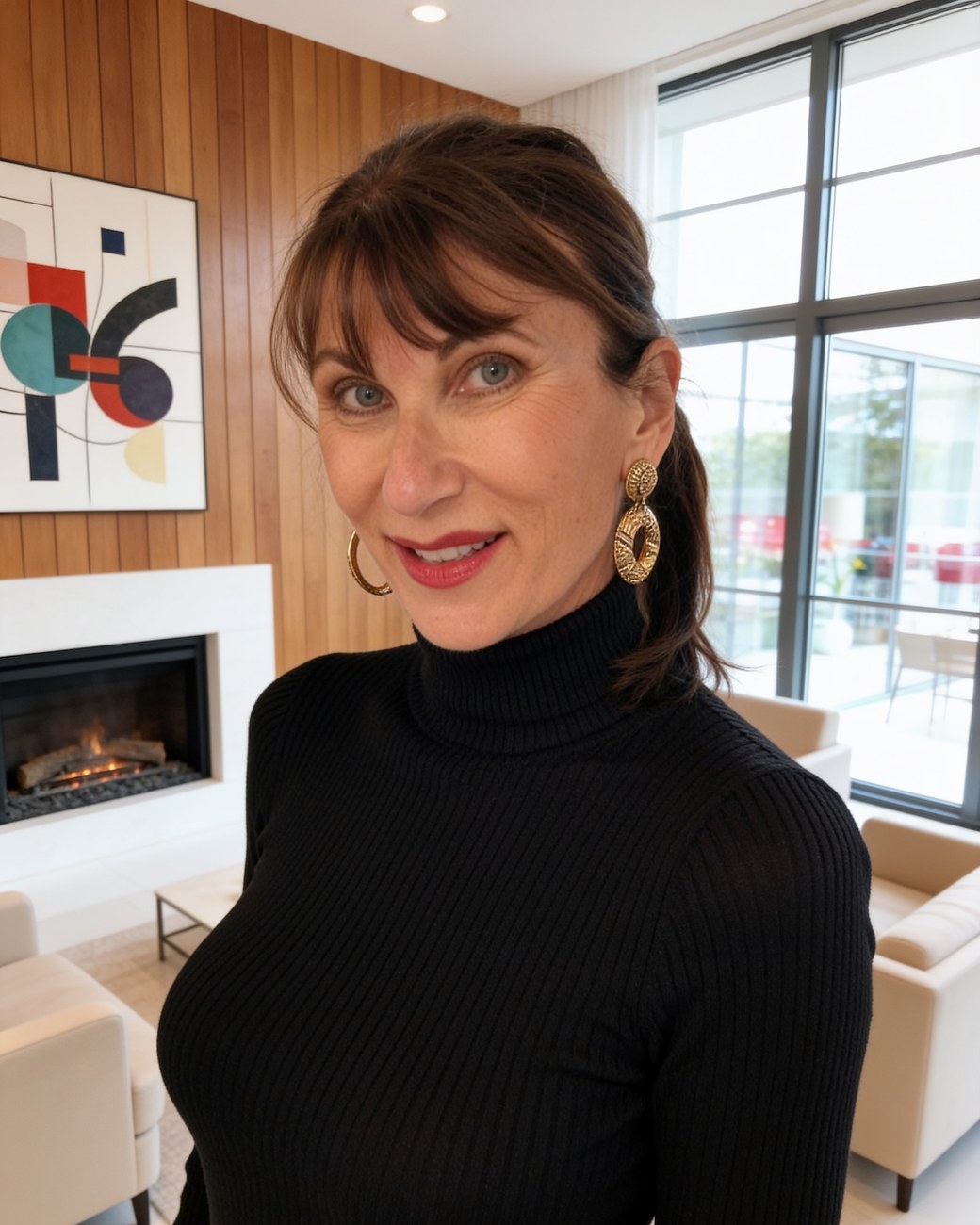
Hi, I’m Diane.
Real estate agent. Home enthusiast.I’ve helped people buy and sell homes in Florida for over forty years. Here, you’ll find my practical advice, fresh ideas for your home, and free tools to help you get started.
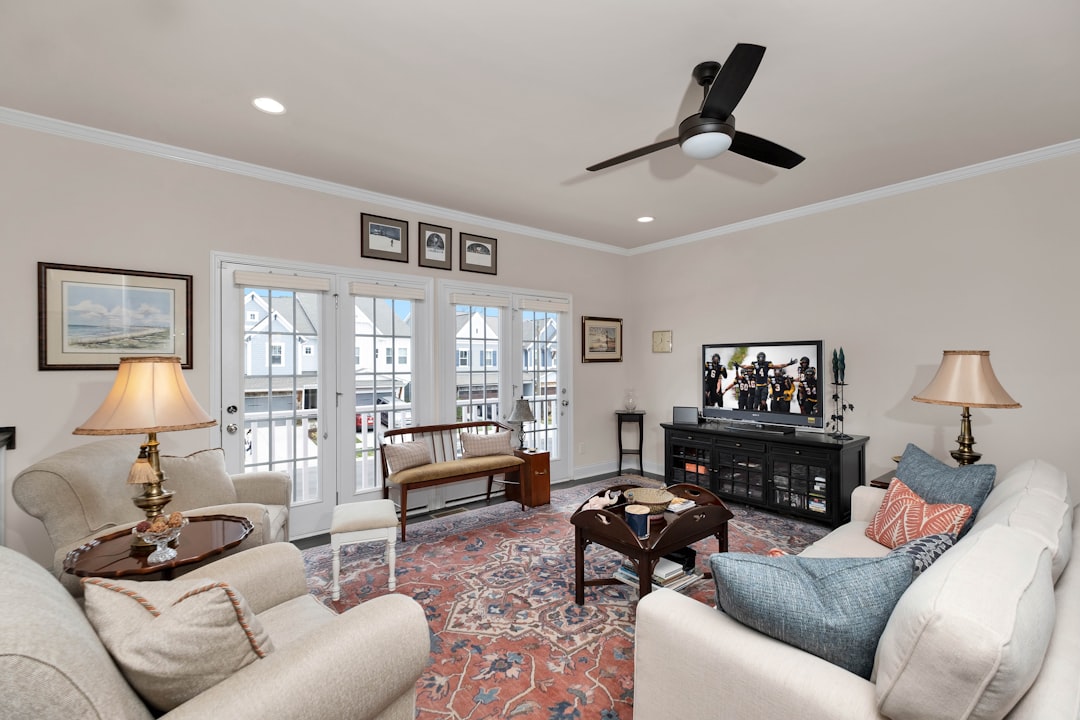

Drag the slider to compare
What could work better in your room?
Get layout, lighting, and decorating advice on your own photo.
FREE TOOLS FOR YOUR EVERYDAY HOME
Make Yourself a Home.
Small projects. Good finds. A home that feels like you.
A LITTLE PROGRESS, EVERY DAY
Check something off your home to-do list.
Tidy a corner that’s gotten messy or organize that utensil drawer. Play this fun daily game to find a small task that fits your time and mood.
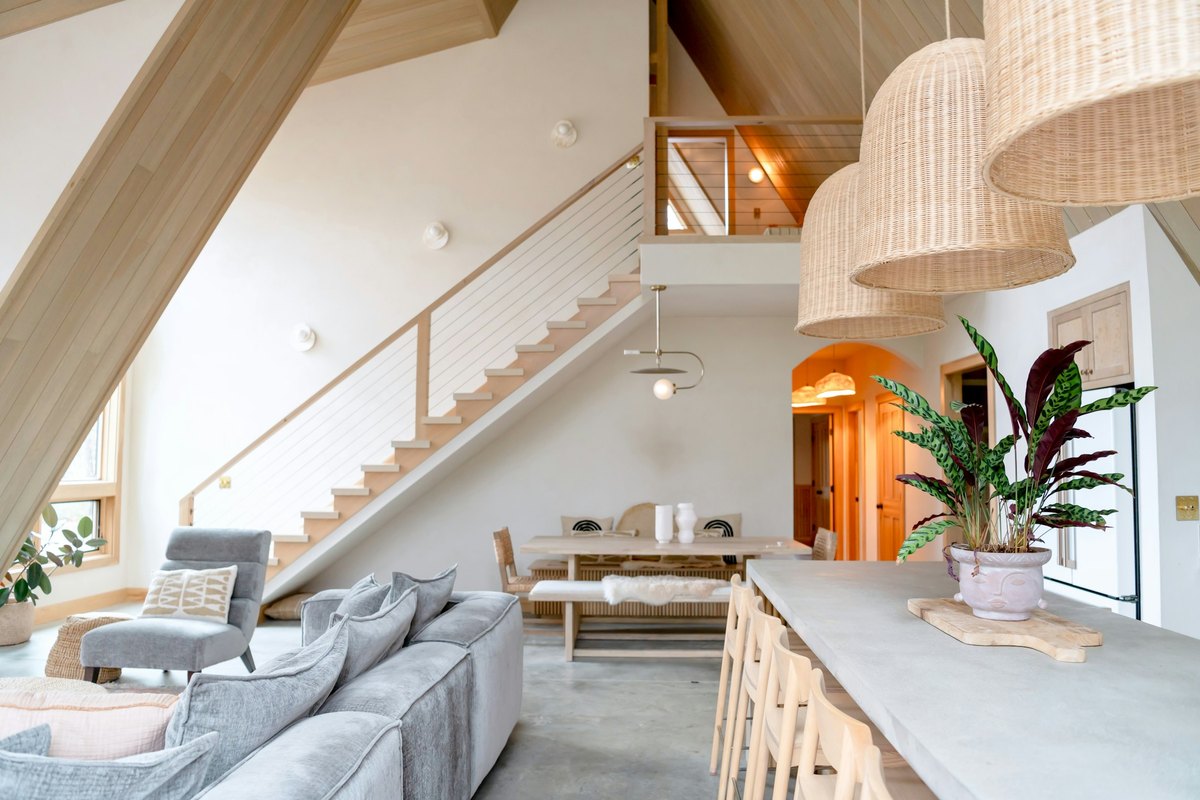
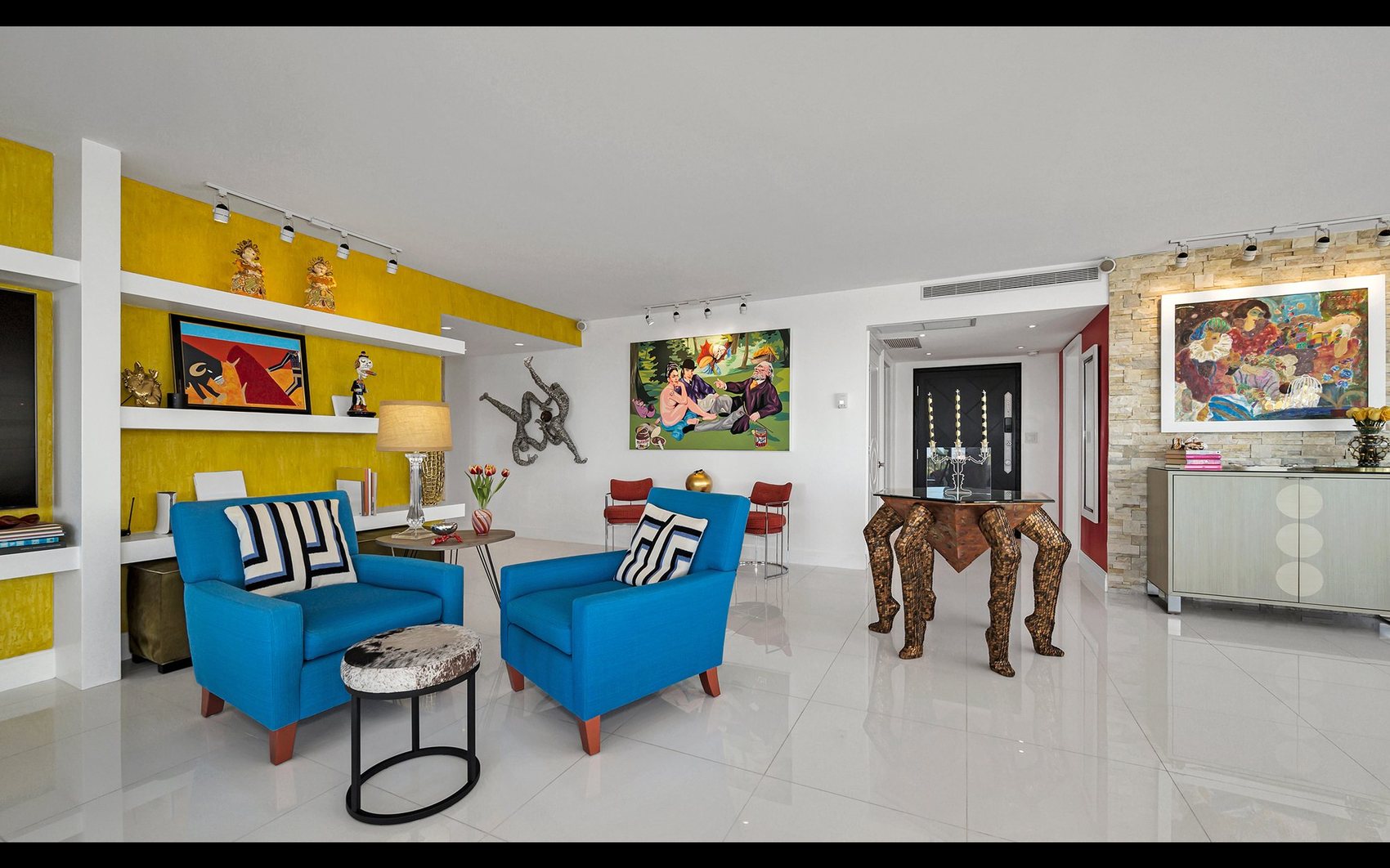
YOUR TASTE. YOUR BUDGET.
Find your next favorite piece.
Tell us what you’re looking for and what you’d like to spend.
Fresh from the blog
Latest stories
-
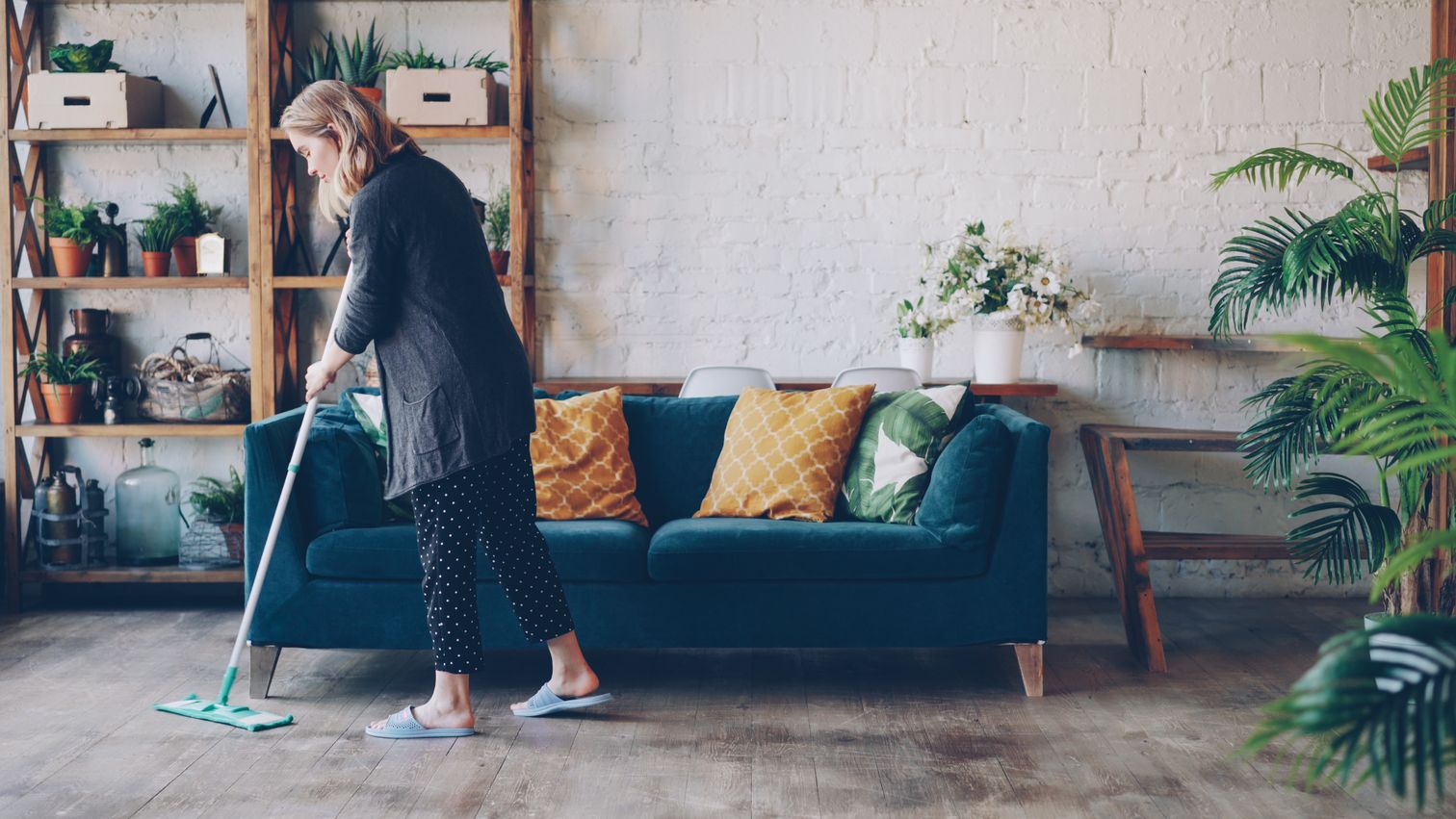
Real Estate Agents Wish You’d Clean These 15 Spots Before Anyone Walks Through the Door
Front door to back patio, the fifteen spots buyers check with their hands in their pockets, and what…
-
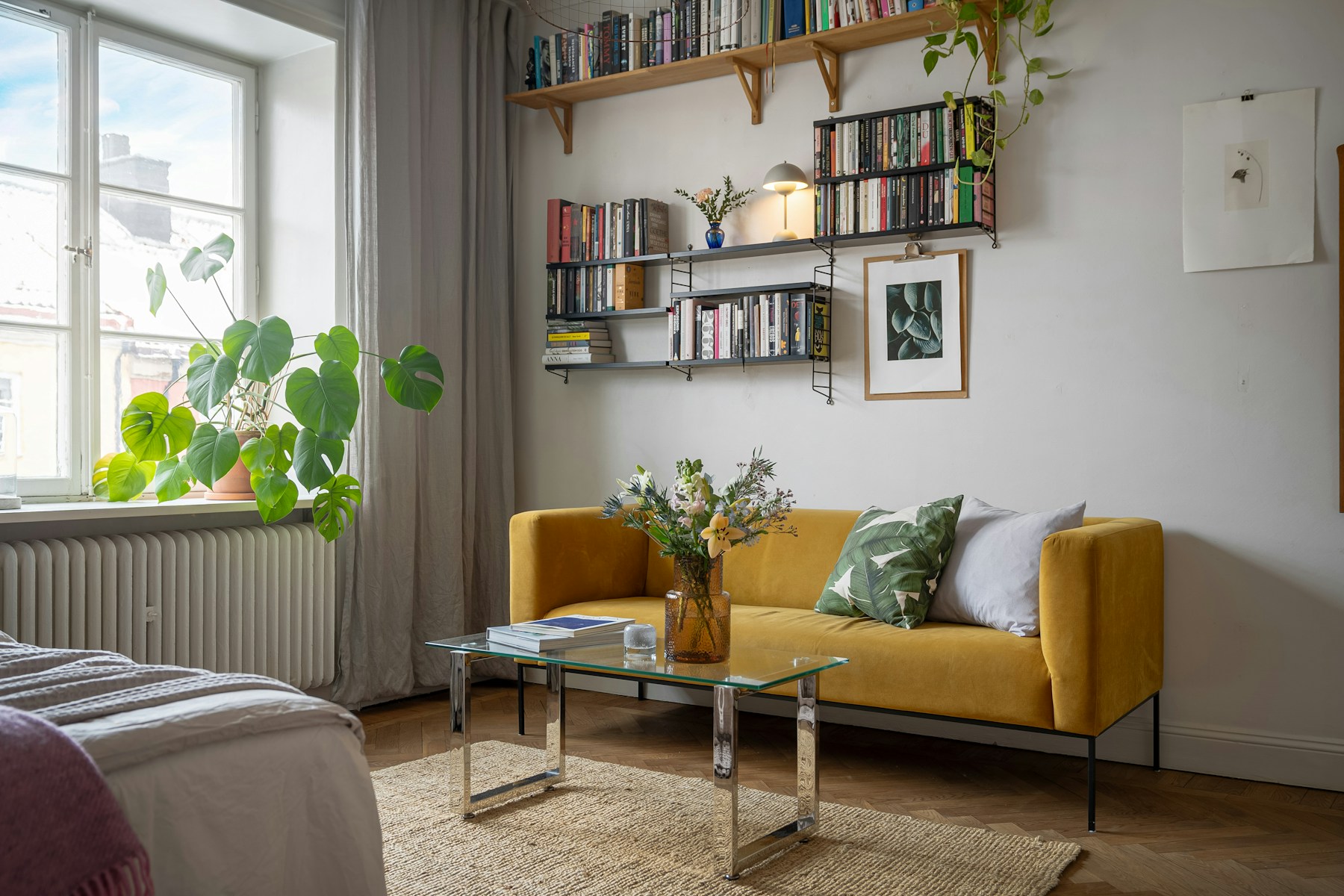
30 Little Fixes That Make a Big Difference to Your Home
Thirty small changes for the entry, living room, kitchen, bedroom, and bathroom, with a room filter and printable…
-

10 Things Real Estate Agents Wish Sellers Would Fix Before Listing
The walk-through list I make before every listing: loose handles, tired grout, musty smells, and the honest conversation…
-
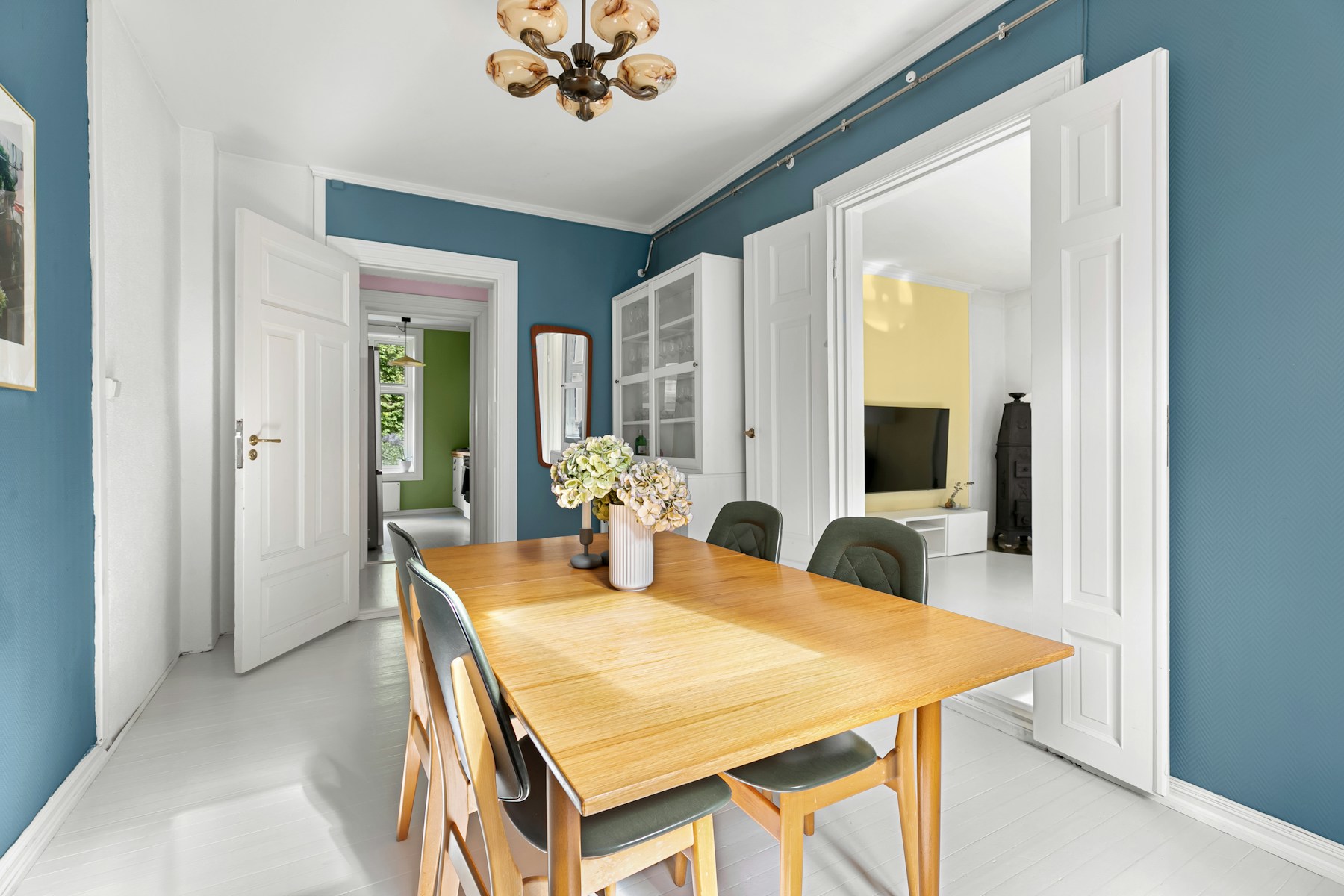
These Are The Signs You Need to Declutter Before Moving
Ten signs your packing needs a pause, with practical measurements, storage math and a decision log for what…
-
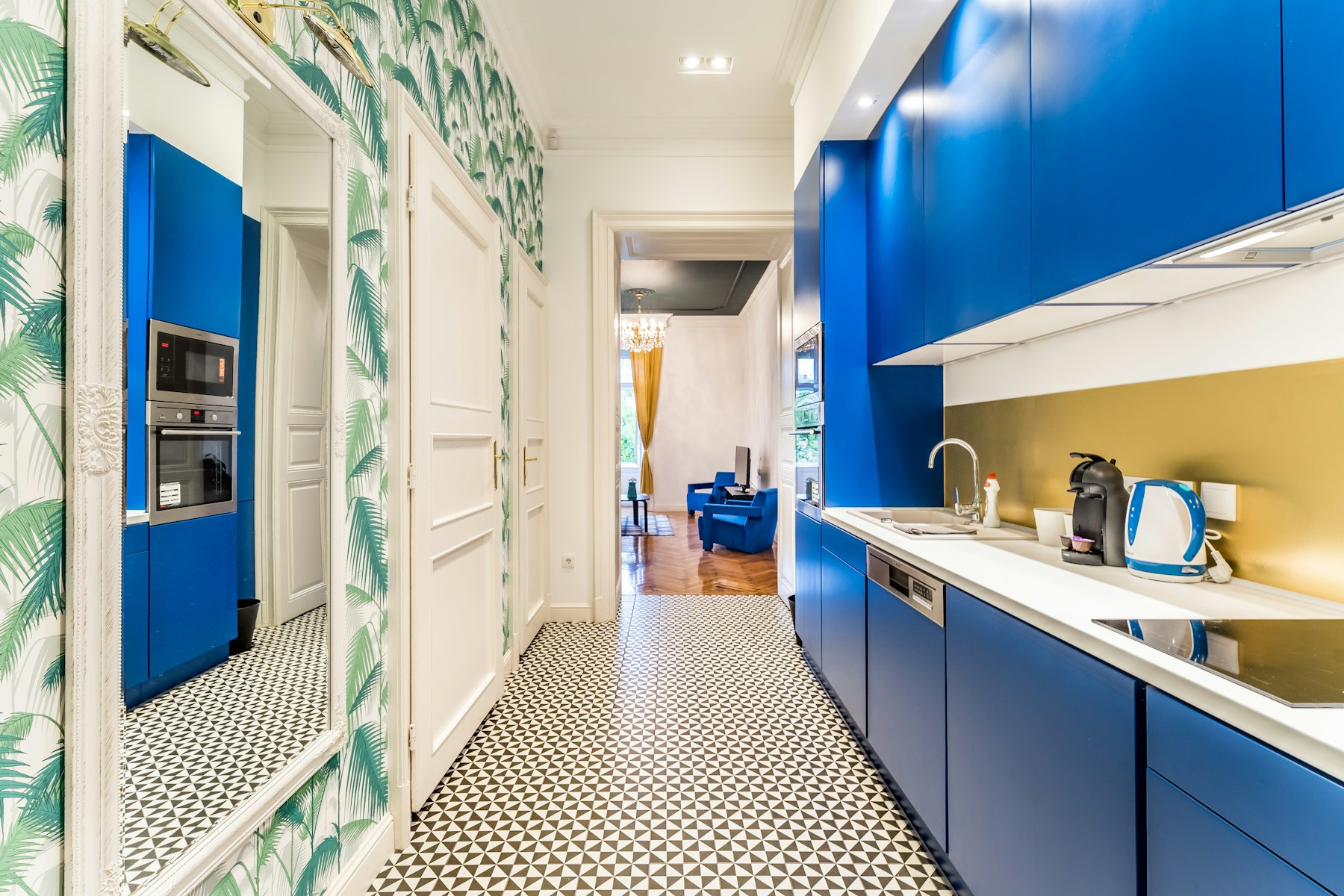
What to Ask the Listing Agent During a Home Tour to Save Money and Avoid Surprises
The roof, the monthly bills, the rules, and the questions a beautiful room cannot answer. Bring these eight…
-
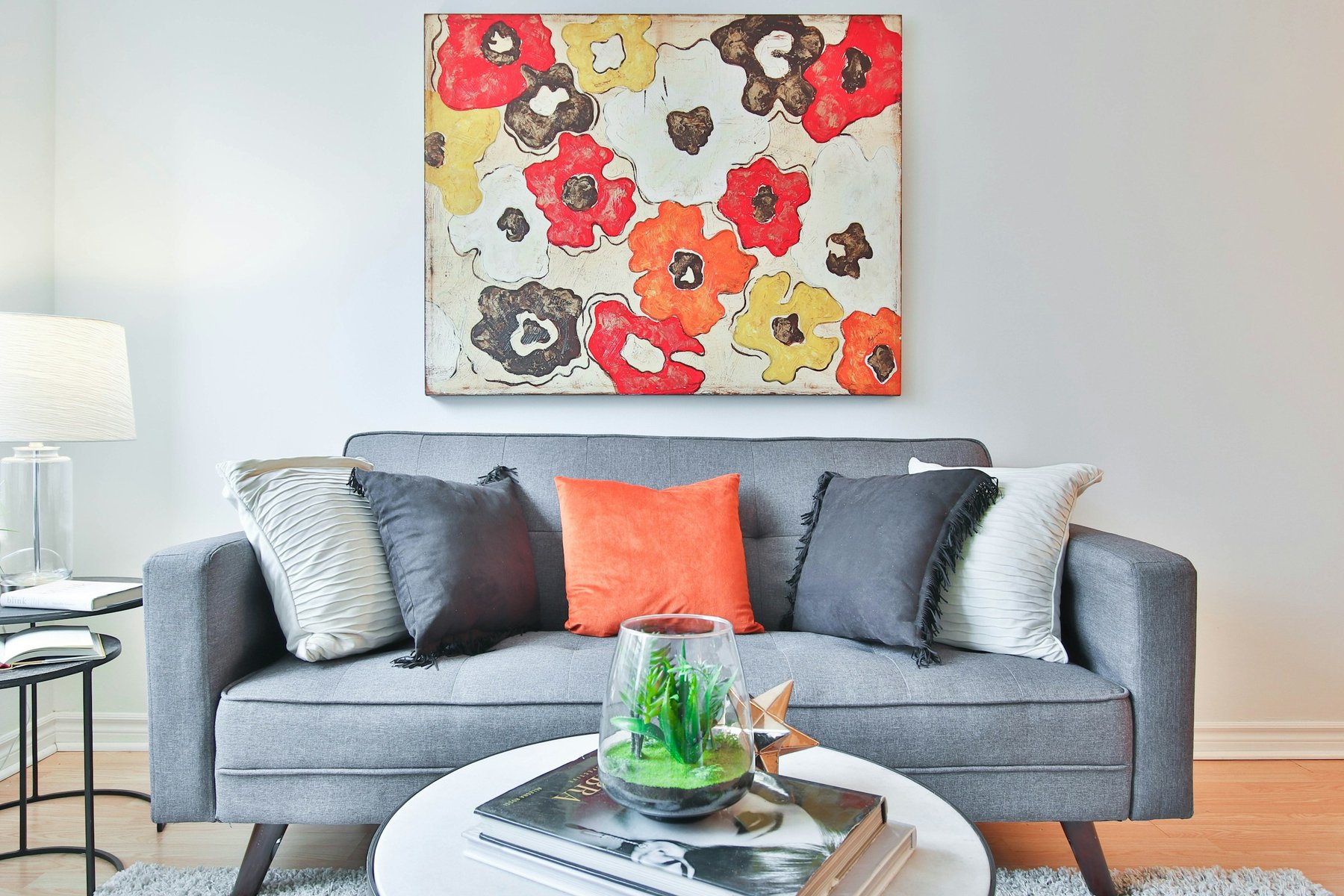
The Downsizing Math: Does a Smaller Home Really Save You Money After 60?
A calculator and the real numbers behind selling the big house after 60: what you keep, what a…
Start here
Explore by topic
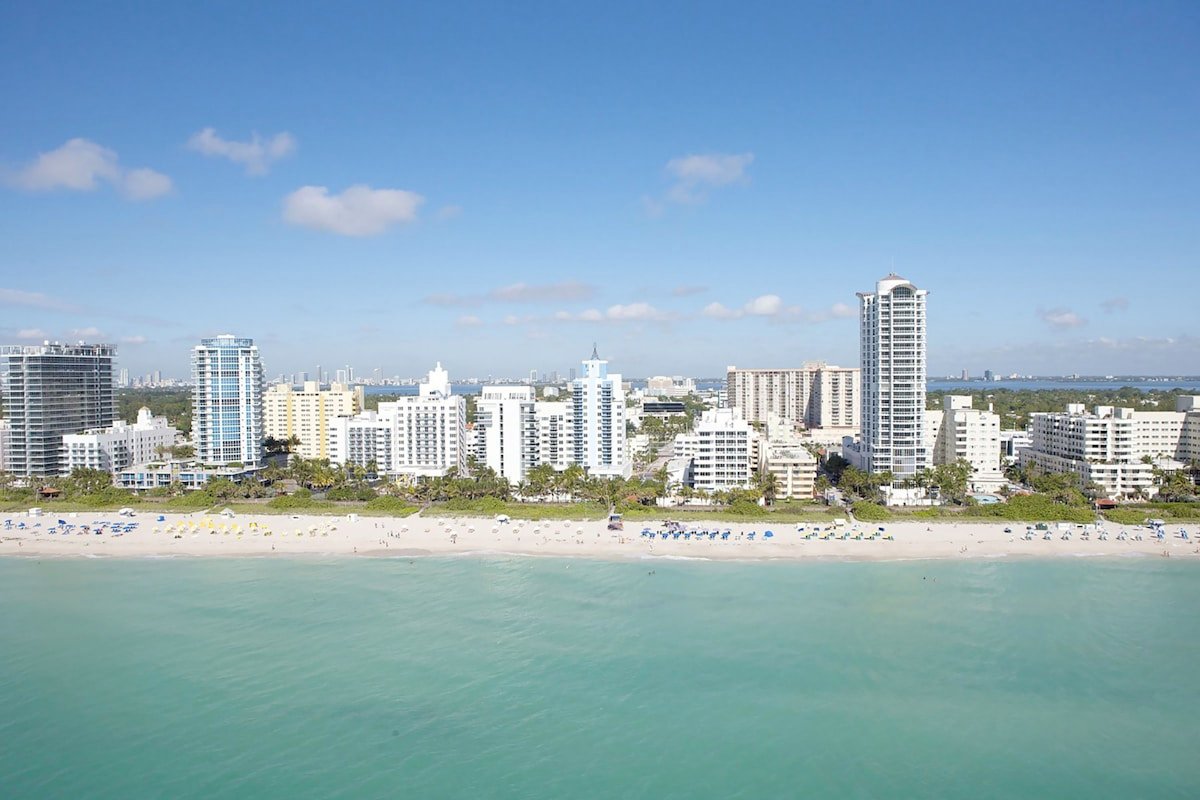 01BuyingBuying a homeFrom the first showing to the closing table, with the Florida questions nobody warns you about.
 02SellingSelling your homePricing it right the first week, showing-ready without losing your mind, and reading offers for what they say.
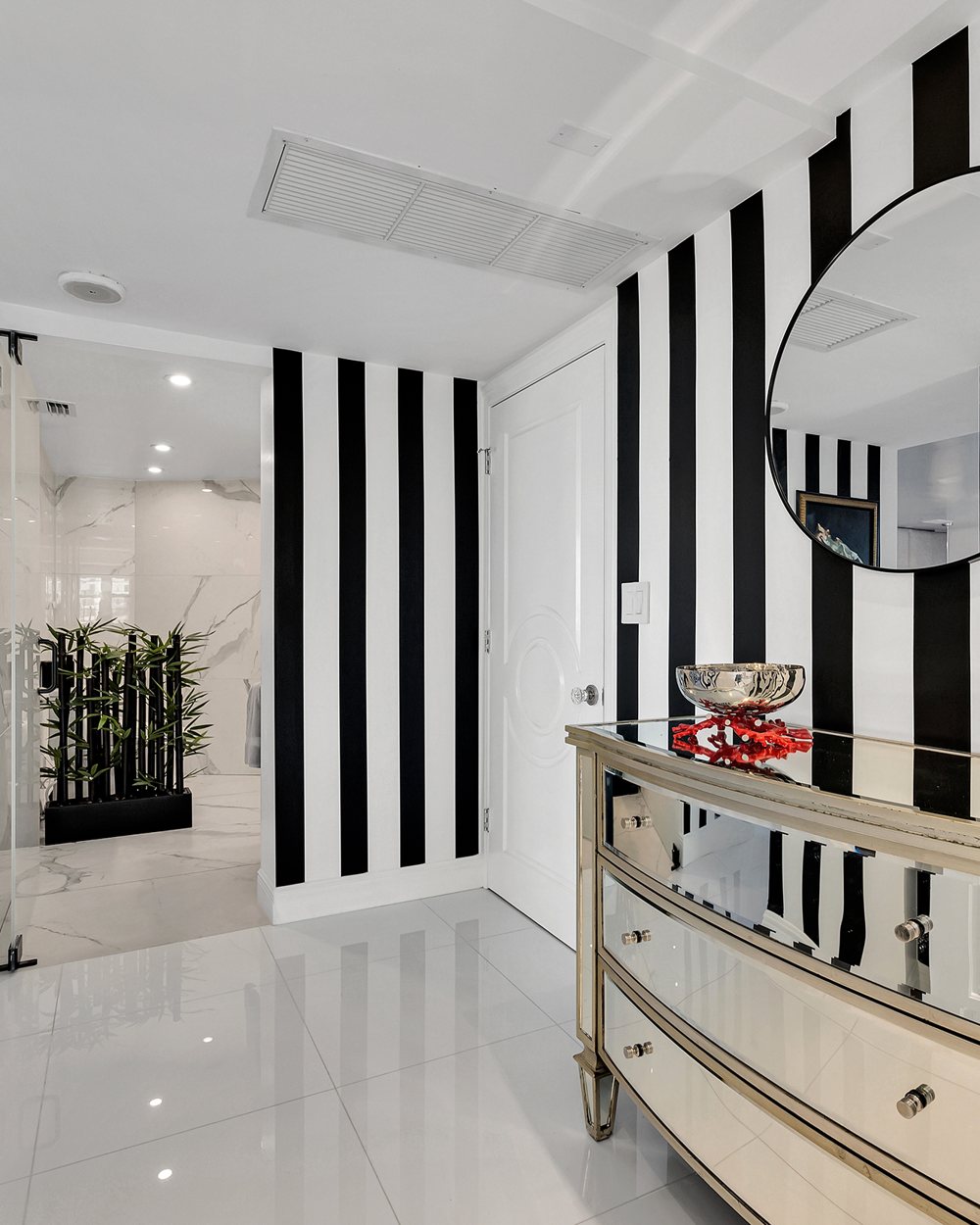 03Home IdeasLoving your homeColor, light, and the small fixes that change how a room feels. Straight from Diane’s own home.
 04FinancingAffording your homeClosing costs, mortgages, and what owning really costs here, explained without the jargon.
How Diane can help
Three ways to start
Selling your home
Get help setting your price, preparing for showings, and comparing offers.
Work with Diane →Buying in South Florida
From the first showing to the closing table with a seasoned pro at your side, and the Florida questions nobody from up north thinks to ask.
Work with Diane →Moving anywhere else
Diane will personally match you with a local agent she would trust with her own family. A warm introduction, always free to you.
Get matched →Kind words from Diane’s clients
Her honesty, dedication, and transparency is really what sets her apart from other real estate agents I had worked with before her. And she also makes the process fun which is just rare!Cory J. · Miami
Free tools
Plan your move
Mortgage calculator
Estimate a monthly payment with taxes, insurance, and HOA included, then see what the number is really made of.
$500k home ≈ $3,300/moFlorida market trends
Current mortgage rates and statewide prices, refreshed monthly, with a plain-English read on what they mean for you.
30-yr 6.67% · FL median $419kReady when you are
Thinking about your next move?
Whether you’re selling, buying in South Florida, or moving somewhere Diane can connect you with someone she trusts, the first conversation is easy and free.